
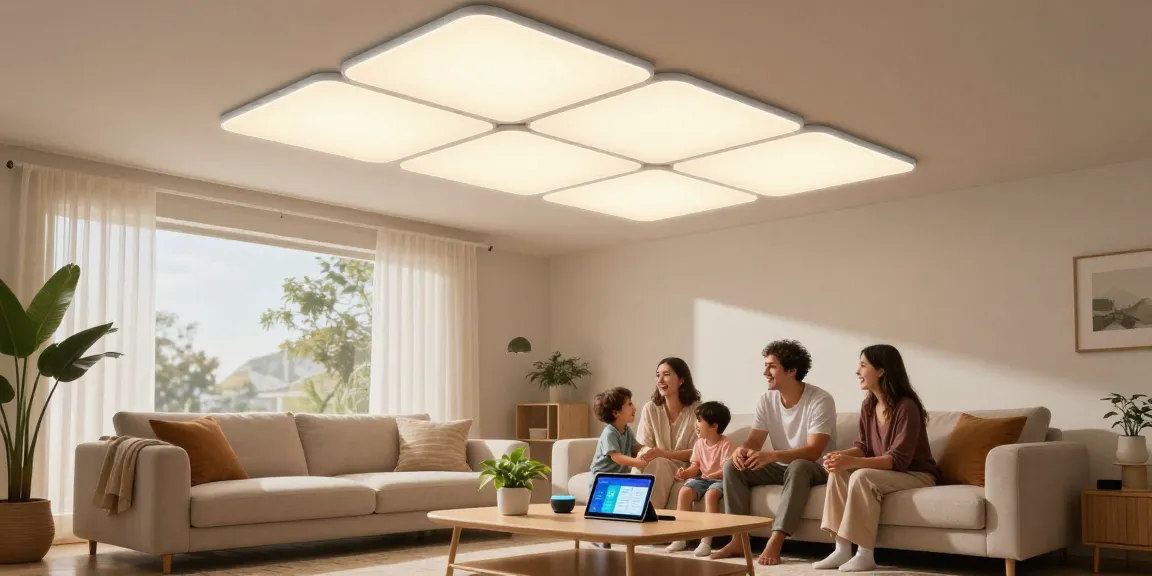
Understanding Nanoleaf Skylight Nachteile
The Nanoleaf Skylight has emerged as a popular option in the realm of smart lighting, celebrated for its innovative approach to indoor illumination. However, as with any product, it is essential to consider the potential downsides before making a purchasing decision. This article delves into the Nanoleaf Skylight Nachteile, offering insights into its challenges, user experiences, and comparisons with alternative solutions.
What are the key disadvantages?
While the Nanoleaf Skylight offers a unique design and the ability to customize lighting effects, several drawbacks have been noted by users. Firstly, the price point is considered high, especially when compared to traditional lighting solutions. Many consumers find the initial investment steep, especially if they want to expand their setup with additional panels.
Another notable concern is the installation process, which can be cumbersome. Users report that the semi-permanent nature of the Skylight panels requires careful planning and preparation, as repositioning them after installation can be challenging. Additionally, compatibility issues with certain smart home systems can lead to frustration.
Common user complaints and issues
Common complaints include connectivity issues, with some users noting that the panels occasionally lose connection with the app, leading to disruptions in functionality. Furthermore, some users report that the color accuracy and brightness levels may not meet their expectations, especially when compared to other smart lighting brands.
Long-term usability concerns
As users consider the long-term usability of the Nanoleaf Skylight, concerns about durability and potential malfunctions arise. Feedback from various forums indicates worries about the longevity of the LED panels, with some users experiencing a decrease in brightness or color inconsistency over time. Additionally, the maintenance aspect, such as cleaning the panels, can be a tedious task, detracting from the overall user experience.
Installation Challenges
Step-by-step installation process
Installing the Nanoleaf Skylights involves a specific process that requires attention to detail. To begin, users must carefully plan the layout of their panels and select an adequate location for installation. The Skylights utilize adhesive mounting, which means once they are affixed to the ceiling, removing them could damage the surface.
Following the layout, users should adhere to these steps:
- Gather all necessary tools, including a measuring tape, level, and cleaning supplies.
- Use the provided templates to mark the desired layout on the ceiling.
- Clean the surface thoroughly to ensure the adhesive sticks properly.
- Begin attaching the panels based on the planned design, ensuring they are aligned correctly.
- Power them on and connect to the app to customize settings.
Potential pitfalls during setup
While the installation seems straightforward, there are several pitfalls to watch for. One common issue is misalignment of the panels, which can lead to an unprofessional look. Additionally, some users have reported that not all panels connect seamlessly, resulting in inconsistent lighting effects.
Expert installation recommendations
For those looking for a more effortless installation process, hiring a professional installer may be a wise decision, particularly for users less familiar with DIY projects. Professionals can ensure that the panels are installed correctly, minimizing future complications.
Comparison with Alternatives
How does Nanoleaf Skylight compare to traditional skylights?
When comparing the Nanoleaf Skylight to traditional skylights, the differences are stark. Traditional skylights offer natural light and ventilation but can suffer from issues like leaks and high maintenance. Conversely, the Nanoleaf Skylight provides configurable LED lighting that can mimic sunlight without physical drawbacks but may lack the genuine brightness of natural daylight.
Reviewing competitor smart lighting solutions
Several competitors offer similar smart lighting solutions, including Philips Hue and LIFX. These brands provide unique features, such as more extensive color ranges or better compatibility with smart home systems. Many users report that these alternatives might be more resilient and offer greater versatility in terms of color customization and usability.
Advantages and disadvantages of alternatives
While alternatives can present their advantages, such as potentially lower costs and improved compatibility, they also have their downsides. For instance, traditional smart bulbs may not create as immersive an effect as the modular Nanoleaf Skylight panels. Each option comes with a different set of pros and cons that must be weighed according to individual needs.
User Experiences and Testimonials
Real-world usage feedback
Real-world feedback plays a crucial role in understanding the practicality of the Nanoleaf Skylight. Many users praise its aesthetic appeal and the ability to create various atmospheres in their homes. However, mixed reviews highlight issues with connectivity and long-term performance that prospective buyers should consider.
Common themes in reviews and ratings
Across multiple platforms, common themes in user ratings include appreciation for the design and functionality, contrasted with criticism regarding the price and installation complexities. Many reviewers suggest that while the Skylight provides fantastic ambiance, the initial investment may not be justified for everyone.
Case studies of successful and unsuccessful installations
Several case studies illustrate varying outcomes. Successful installations often mention careful planning and execution, leading to a highly positive user experience. However, those who rush the installation or do not allow for adequate setup time often report dissatisfaction with alignment and connectivity issues.
Future Trends in Smart Lighting
Predictions for smart home advancements by 2026
As the smart home market continues to evolve, significant advancements in lighting technology are anticipated by 2026. Innovations may include enhanced energy efficiency, increased integration with AI for personalized lighting experiences, and new designs that further enhance user experiences.
How user needs are evolving
User needs are becoming increasingly focused on the integration of technology into daily life. Consumers are looking for smart lighting solutions that not only provide illumination but also enhance home aesthetics and functionality.
The role of technology in enhancing user experiences
Technology will play a crucial role in making smart lighting more accessible and user-friendly. Features such as voice control, extensive app integration, and even augmented reality could become standard, transforming the way homeowners interact with their lighting.
What do consumers need to know moving forward?
As more smart lighting solutions enter the market, consumers should stay informed about the latest products and trends. For more information, Nanoleaf Skylight Test offers valuable insights. Understanding individual needs and priorities will help users select the best lighting solutions for their spaces, ensuring satisfaction and value for money.