Understanding Flooring Types
Popular Flooring Options
When it comes to selecting the perfect flooring for your home, numerous options are available to enhance both functionality and aesthetics. Popular choices include hardwood, laminate, tile, vinyl, and carpet, each presenting unique attributes that cater to various needs and preferences.
Hardwood Flooring
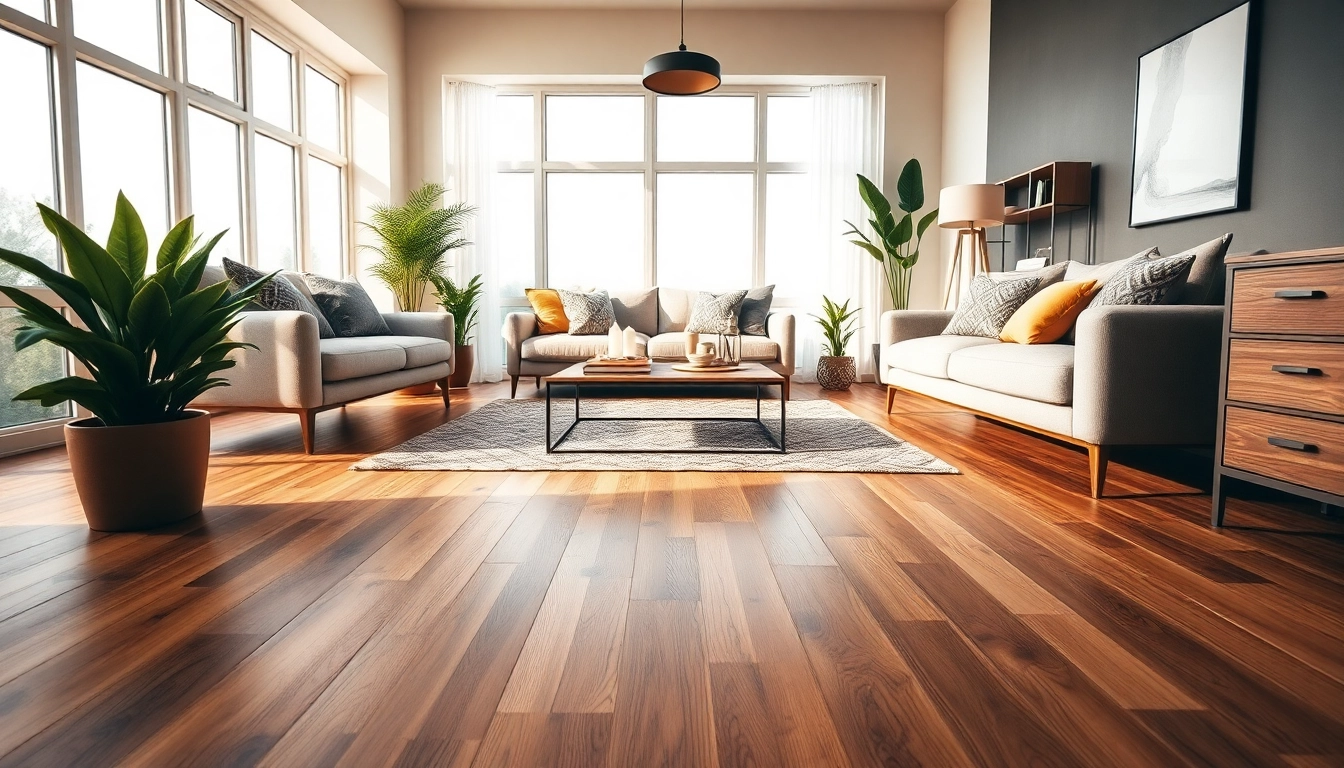
Renowned for its natural beauty, hardwood flooring is available in numerous species, finishes, and colors. Its timeless appeal adds warmth and value to any home. While it can be more expensive, its durability allows for refinishing to restore its original luster.
Laminate Flooring
Offering a budget-friendly alternative, laminate flooring simulates the look of natural materials without the associated cost. It is highly resistant to scratching and fading, making it suitable for high-traffic areas.
Tile Flooring
Tile flooring, including ceramic and porcelain, is celebrated for its versatility and water resistance. Ideal for kitchens and bathrooms, tiles come in various designs, colors, and patterns, allowing for creative expression in home décor.
Vinyl Flooring
Vinyl flooring has gained popularity for its comfort, easy maintenance, and variety of designs. It is available in sheets, tiles, or planks, making it adaptable for any space, including basements and laundry rooms.
Carpet Flooring
Carpet provides a cozy and inviting feel, particularly in bedrooms and living areas. It comes in numerous fibers, textures, and colors, enabling personalization while offering sound absorption and warmth.
Choosing the Right Flooring for Your Space
Selecting the appropriate flooring involves assessing various factors such as the functionality of the space, foot traffic, and aesthetic preferences. Consider where the flooring will be installed and the specific responsibilities of that area. For example, hardwood floors may not be suitable for moisture-prone spaces, while tile flooring shines in such conditions.
Functionality and Usage
Evaluate how the space will be used. High-traffic areas like hallways and living rooms benefit from durable flooring options like laminate or vinyl, while bedrooms may prioritize comfort, leaning towards carpet.
Aesthetic Considerations
The style of your home should also guide your flooring choice. Consider the color palette and overall design theme; for instance, modern homes may benefit from sleek tiles or minimalist laminate, while rustic homes may favor hardwood.
Environmental Impact
More homeowners are becoming aware of sustainability and the environmental impact of their choices. Opting for sustainable materials, such as bamboo or certified hardwood, can contribute to eco-friendly living.
Comparative Analysis of Flooring Materials
Understanding the pros and cons of different flooring materials can make the selection process simpler. Below is a comparative analysis summarizing key characteristics.
MaterialDurabilityCostMaintenanceStyle VarietyHardwoodHighHighModerateWideLaminateMediumLowLowModerateTileHighMediumMediumWideVinylMediumLowLowHighCarpetLow-MediumLow-MediumHighWide
Benefits of Quality Flooring
Enhancing Aesthetic Appeal
Quality flooring serves as the foundation of any room, significantly impacting its aesthetic appeal. A well-chosen flooring option complements the overall interior design and creates a welcoming atmosphere. Beautiful flooring can transform spaces, making them more visually striking and inviting.
Visual Consistency
Choosing flooring that aligns with your design theme ensures visual consistency throughout the home. For example, open floor plans benefit from continuous flooring to create a cohesive look.
Color and Texture
The color and texture of flooring can affect the light in a room, alter perceptions of space, and even influence mood. Lighter colors can make a room feel larger and more open, while dark tones often add richness and warmth.
Improving Home Value
Investing in quality flooring can significantly enhance your home's market value. Buyers are often enticed by contemporary, durable flooring options, seeing them as an indication of care and quality in the home.
Attracting Potential Buyers
Homes with well-maintained flooring typically attract more buyers. First impressions matter; prospective buyers often judge a home by its flooring upon entry, making this a crucial factor in the sales process.
Return on Investment (ROI)
Quality flooring not only provides immediate benefits but also offers a long-term ROI, as it reduces potential replacement costs associated with cheap materials that may deteriorate faster.
Durability and Longevity Factors
Investing in durable flooring materials can save homeowners from expensive replacements and repairs. Certain flooring options, such as tile and hardwood, have the capacity to withstand heavy foot traffic and wear, resulting in longer lifespans.
Physical Durability
Metal, vinyl, and tiles often outperform softer materials in terms of scratches, dents, and stains. When selecting flooring, consider the material’s resistance to wear and impact, especially in high-traffic areas.
Maintenance and Lifespan
Quality flooring typically requires less frequent replacement. Materials such as hardwood can be refinished multiple times, extending their lifespan significantly, while other options may have limited durability and require earlier substitution.
Installation Process of Flooring
Preparation Steps Before Installation
Proper preparation is critical to ensuring a successful flooring installation. Regardless of the type of flooring being installed, these steps are vital.
Assessment of Subfloor
Before beginning installation, assess the subfloor for moisture levels, integrity, and flatness. A properly prepared subfloor enhances flooring performance and longevity.
Choosing Underlayment
Using the correct underlayment helps mitigate sound transmission, add cushioning, and address moisture concerns. Each flooring type may require a specific underlayment for optimal performance.
DIY vs. Professional Installation
Choosing between a DIY approach and hiring professionals for flooring installation can depend on various factors, such as the complexity of the project, personal skills, and budget.
Pros of DIY Installation
Homeowners can save on labor costs while gaining the satisfaction of completing a personal project. Many flooring types offer user-friendly installation processes, particularly laminate and vinyl.
Cons of DIY Installation
However, improper installation can lead to significant long-term issues, including damage or poor performance. Consult instructions and guidelines thoroughly if opting for DIY.
Benefits of Professional Installation
Professional installers bring experience and expertise, ensuring that the flooring is laid correctly and meets warranty specifications. They can address complex jobs that might overwhelm DIY homeowners.
Post-Installation Care for Flooring
To maintain the beauty and integrity of new flooring, proper post-installation care is essential. Each flooring type will require specific maintenance protocols.
General Cleaning Practices
Most flooring materials benefit from regular cleaning using appropriate methods. For instance, hardwood requires dusting and occasional damp mopping, while vinyl may use a gentler cleaning solution.
Avoiding Damage
Preventive measures, such as using entry mats and furniture pads, can protect flooring from scratches and dents, extending the life of the installation.
Trends in Flooring Design
Current Styles in Flooring
Staying updated with current flooring styles is crucial for homeowners looking to enhance their spaces. Various trends are making waves, focusing on bold choices and innovative materials.
Textured Finishes
Textured flooring options, such as wire-brushed or hand-scraped finishes, are gaining popularity. These surfaces add dimension and character to spaces, appealing to those seeking unique aesthetics.
Bold Color Trends
While neutral colors remain staples, bold hues in flooring are emerging as a popular choice, allowing homeowners to express their style boldly. Shades like deep blues and rich greens can serve as statement pieces.
Integrating Flooring with Interior Themes
To achieve harmony and cohesiveness, flooring must be integrated thoughtfully with the broader interior design themes of your home. Different styles of flooring can complement various themes effectively.
Modern Aesthetic
In modern interiors, hardwood or polished concrete works well. These materials offer a clean and streamlined appearance that suits contemporary furnishings.
Traditional Spaces
Traditional homes often benefit from the comforting aesthetics of rich hardwoods or detailed patterned tiles, enhancing the classic feel and warmth of the room.
Sustainable Flooring Choices
More homeowners are embracing sustainability through eco-friendly flooring options. Various materials now prioritize both style and environmental responsibility.
Bamboo and Cork
Bamboo is a highly renewable resource, and cork is harvested without damaging the tree, making both great sustainable alternatives to traditional woods.
Recycled Materials
Innovative flooring options made from recycled materials such as tires or bottles offer an eco-conscious approach while providing unique visual appeal.
Frequently Asked Questions about Flooring
How often should flooring be replaced?
The lifespan of flooring varies by material. Hardwood can last over 100 years with proper care, while vinyl may last 10-20 years. Regular maintenance impacts longevity.
What maintenance does hardwood flooring require?
Hardwood flooring benefits from regular sweeping or vacuuming to remove dirt, along with occasional damp mopping. It's also crucial to refinish every 5-10 years.
Can flooring improve indoor air quality?
Some flooring materials, such as tile and bamboo, are less likely to trap allergens and dust, positively impacting indoor air quality. Choose low-VOC products for added benefits.
How to choose flooring based on climate?
In humid areas, opt for moisture-resistant flooring like tile or vinyl. Cold climates may benefit from carpet for insulation, while moderate climates allow for a wider variety.
What are the cost factors in flooring installation?
Cost factors include material type, labor charges, subfloor preparation, and underlayment. Higher-quality materials and complex installations typically incur higher costs.