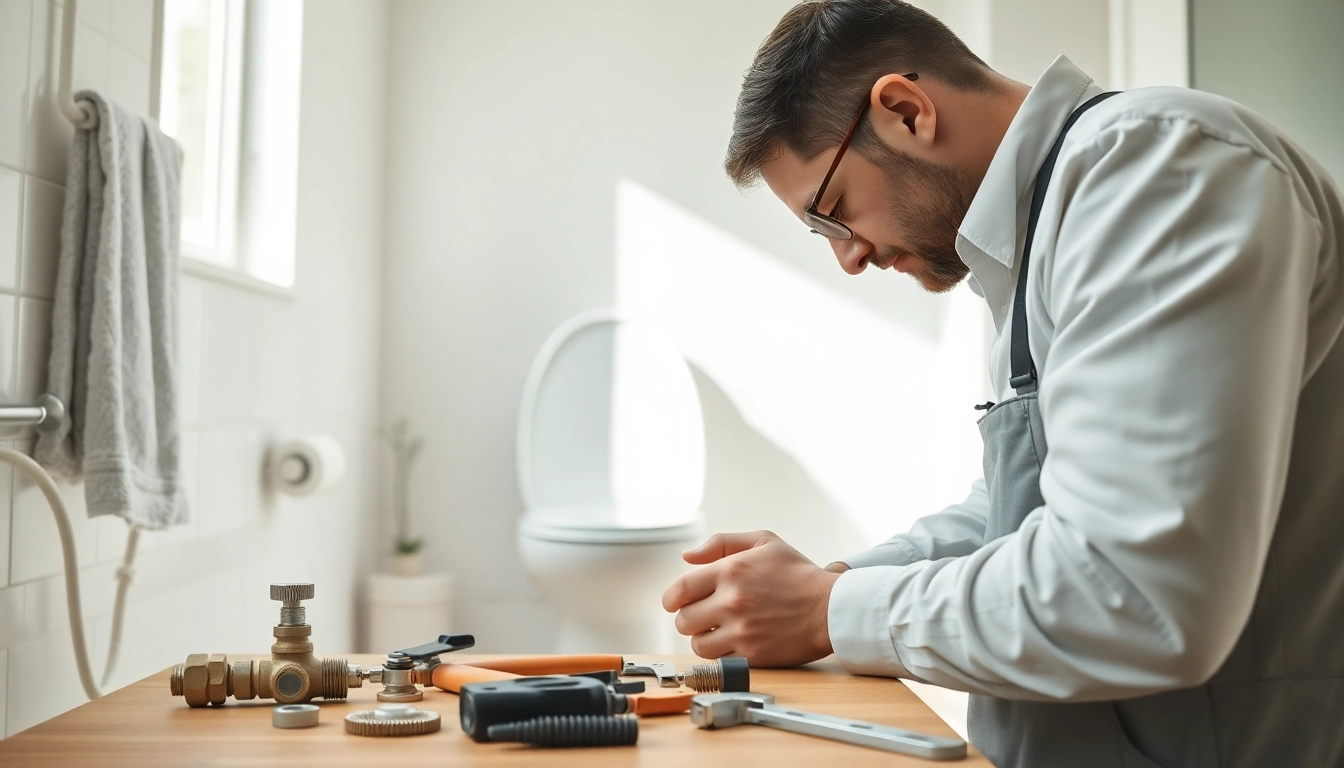
Understanding Toilet Repair Fundamentals
Toilet repair may seem daunting to some homeowners, but with a little guidance, the process can be straightforward. Whether it’s a running toilet or a stubborn clog, understanding the components and functions of your toilet can make repairs much easier. This article delves into essential toilet repair fundamentals, outlines diagnostic steps, provides DIY techniques, and discusses when it’s appropriate to call for professional help. By the end, you’ll have the knowledge needed to tackle your toilet repair needs effectively.
Components of a Toilet
A standard toilet consists of several key components, each playing a vital role in its operation:
- Tank: This holds water until it's needed for flushing. It houses several parts, including the flapper and fill valve.
- Bowl: The part you sit on, connected to the drain line. It helps move waste away through gravity.
- Flapper: The rubber seal that controls water flow from the tank into the bowl.
- Float Ball: This component regulates the water level in the tank.
- Fill Valve: This replaces the water in the tank after a flush.
- Flush Handle: The lever used to initiate a flush.
Common Signs Your Toilet Needs Repair
Identifying issues early can prevent costly repairs later. Here are some common signs that your toilet might need attention:
- Running Water: If you hear a constant running sound, your toilet may have a faulty flapper or fill valve.
- Leaking Water: Puddles around the base or inside the tank indicate possible leaks.
- Weak Flush: If waste isn't clearing in one flush, clogs may be forming.
- Odd Noises: Noise like gurgling or hissing may signal air trapped in the system or issues with the fill valve.
- Constant Clogging: Frequent clogging can indicate deeper plumbing problems.
Tools Required for Basic Repairs
Having the right tools on hand can make toilet repairs easier and more efficient. Here’s a list of essential tools:
- Adjustable Wrench: For tightening and loosening nuts.
- Screwdriver: Needed for removing screws from various components.
- Pliers: Useful for gripping and pulling apart parts.
- Plumber's Snake: Handy for clearing clogs that a plunger can't reach.
- Bucket: To collect water during repairs.
- Toilet Auger: A specialized tool for clearing stubborn blockages.
Steps to Diagnose Toilet Issues
When problems arise with your toilet, diagnosing the issue correctly is crucial. Here are steps to help you pinpoint the issue effectively.
Listening for Unusual Noises
Unusual noises can be an early indicator that something is wrong. Pay attention to:
- Running Water: Continuous sounds often correlate with a malfunctioning flapper.
- Gurgling: This may suggest a blockage elsewhere in the plumbing.
- Hissing Sounds: Typically indicates a loose fill valve or constant water flow.
Inspecting for Leaks
Leaks can lead to water damage and increased bills. To check for leaks:
- Look for water pooling around the base of the toilet.
- Examine the connections behind the toilet and ensure they’re tight.
- Use food coloring in the tank; if it seeps into the bowl without flushing, there's a leak.
Checking Water Levels
The water level in the tank should be appropriate—generally about an inch below the overflow tube’s top. If it’s too low, it may affect flush efficiency.
DIY Toilet Repair Techniques
Many toilet repairs can be tackled without professional help. Here’s how you can handle some common issues yourself.
Fixing a Running Toilet
A consistently running toilet can waste a significant amount of water. To fix this:
- Lift the tank lid and inspect the flapper. Replace it if it looks worn or warped.
- Check the float and adjust it as necessary to ensure the tank fills correctly.
- Tighten the fill valve connection if you see leaks.
Replacing a Toilet Flapper
Flappers can degrade over time leading to leaks. To replace one:
- Turn off the water supply to the toilet.
- Remove the old flapper by detaching it from the flush lever and unhooking it from the overflow tube.
- Install the new flapper, reattaching it to the lever and overflow tube.
- Restore the water supply and check for leaks.
Addressing Clogs and Blockages
Clogs can happen for several reasons. If a plunger doesn’t work, consider:
- Using a plumber's snake or toilet auger to break up the clog.
- If that fails, consider disassembling the toilet to access the blockage directly.
When to Call a Professional for Toilet Repair
While many repairs can be handled independently, some situations warrant calling in an expert.
Signs You Shouldn't DIY
Certain signs indicate that a professional may be necessary, such as:
- Multiple toilets in your home having issues simultaneously.
- Significant leakage that you cannot locate.
- Persistent clogs after using common methods to resolve them.
- Complications like low water pressure or sewer line backups.
Finding a Qualified Plumber
If you require professional help:
- Seek recommendations from friends or family.
- Check reviews online for local plumbers.
- Ensure the professional is licensed and insured.
Understanding Repair Costs
Understanding potential expenses can better prepare you for repairs. Typical costs may range from:
- Flapper replacements: $10-$25
- Fill valve replacements: $20-$60
- Professional plumbing services: $100-$300, depending on the issue.
Maintaining Your Toilet for Longevity
Maintenance is key to preventing future issues and ensuring that your toilet operates efficiently over time.
Regular Maintenance Tips
To extend the lifespan of your toilet:
- Inspect parts regularly and replace worn components.
- Clean the toilet regularly using appropriate cleaners, avoiding harsh chemicals.
- Check the toilet’s alignment, ensuring it’s securely mounted to avoid leaks.
Seasonal Checks to Prevent Issues
Changes in temperature can affect toilet performance, especially in colder months:
- Insulate pipes in non-heated areas to avoid freezing.
- Inspect for leaks during seasonal changes, particularly before winter.
Emergency Preparedness for Toilet Problems
Being prepared for a toilet emergency can alleviate stress. Keep essential tools and supplies like a plunger, toilet auger, and rubber gloves handy.
Frequently Asked Questions About Toilet Repair
1. How can I tell if my toilet needs a new flapper?
If your toilet runs continuously or water leaks into the bowl, it’s likely time for a flapper replacement.
2. What should I do if I've tried plunging but the toilet is still clogged?
Consider using a plumber's snake or toilet auger to break up the blockage. If problems persist, seek a professional's help.
3. Is it normal for my toilet to make noise after flushing?
Some noise is normal, but persistent sounds like hissing or running water can indicate a problem that needs attention.
4. How often should I perform maintenance on my toilet?
A regular check every few months can help identify wear and tear. Seasonal checks can be useful, especially before winter.
5. Can I fix a leak in my toilet myself?
Many leaks can be addressed with basic tools and parts replacements. If the leak persists or is severe, consult a professional plumber.