
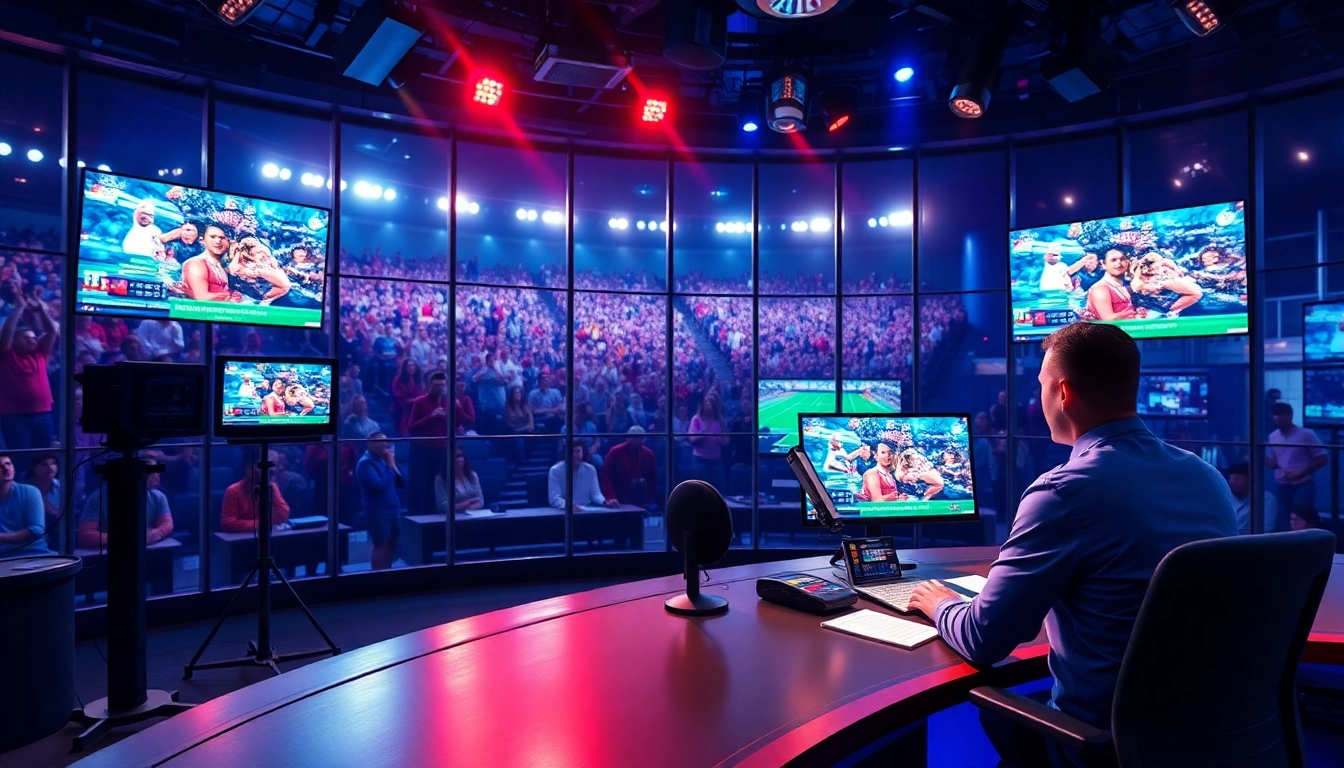
Understanding the Basics of Sports Broadcasting
Sports broadcasting plays a significant role in how audiences consume athletic events, transcending geographical boundaries and making sports accessible to millions. It encompasses various forms and mediums, creating a dynamic landscape where technology, storytelling, and passion converge. With the growing popularity of live sports and enhanced viewing experiences, the demand for quality content and engaging broadcasts has never been higher. In this article, we delve into the intricacies of Sports Broadcasting, exploring its fundamentals, equipment, engagement strategies, best practices, and future trends.
Defining Sports Broadcasting Fundamentals
At its core, sports broadcasting refers to the distribution of live or recorded sports events to an audience via various platforms, including television, radio, and online streaming. The fundamentals of sports broadcasting include understanding the event, the teams or athletes involved, and the audience’s preferences. A successful broadcaster must master several aspects:
- Content Creation: Crafting compelling narratives that resonate with viewers.
- Timing: Ensuring seamless delivery of live events and updates.
- Technical Skills: Proficiency in using broadcasting technology and software.
- Audience Interaction: Engaging with viewers through social media and live discussions.
Types of Sports Broadcasting: Live, On-demand, and More
Sports broadcasting can be classified into various types, each catering to different audience needs:
- Live Broadcasting: This involves airing events in real-time, allowing viewers to experience the action as it happens.
- On-demand Broadcasting: Viewers can watch events at their convenience, providing flexibility and accessibility.
- Highlight Shows: These focus on key moments from games, summarizing important plays and milestones.
- Radio Broadcasting: A traditional form still popular among audiences who prefer audio commentary.
- Webcasting: Streaming sports content via online platforms, often accompanied by social media integration.
Key Roles in Sports Broadcasting
Sports broadcasting is a collaborative effort that requires diverse roles to ensure successful output. Key roles include:
- Commentators: They provide expert analysis and commentary during live broadcasts, enhancing the audience’s viewing experience.
- Producers: Responsible for the overall production of broadcasts, managing resources, and coordinating between teams.
- Cameramen: Capture the action from various angles, ensuring that viewers don’t miss any important moments.
- Graphic Designers: Create visual elements, such as infographics and statistics, to support the broadcast.
- Social Media Managers: Engage with viewers, promote content, and share live updates across platforms.
Essential Equipment for Successful Sports Broadcasting
To deliver high-quality broadcasts, having the right equipment is essential. This section discusses the key technologies and setups necessary for effective sports broadcasting.
Broadcasting Technology: Cameras and Sound Equipment
Quality visual and audio is paramount in sports broadcasting. Essential equipment includes:
- Cameras: Multiple high-definition cameras are used to capture different angles of the event. Robotic cameras, drones, and handheld devices enhance coverage.
- Microphones: High-quality microphones ensure clear sound, capturing commentary, crowd reactions, and on-field communication.
- Mixing Consoles: Audio mixing consoles allow broadcasters to manage sound levels, ensuring a balanced auditory experience for viewers.
- Transmission Equipment: Satellite and fiber-optic systems enable live broadcasting by transmitting signals to stations and streaming services.
Software Solutions for Sports Broadcasting
In addition to hardware, software plays a crucial role in sports broadcasting:
- Broadcast Automation Software: Helps manage broadcasts, scheduling, and transitions, allowing for seamless production.
- Editing Tools: Software like Adobe Premiere and Final Cut Pro are commonly used for post-production, creating highlight reels and pre-game analysis segments.
- Analytics Platforms: These tools help track viewer engagement and demographics, offering insights for future broadcasts and marketing strategies.
Setting Up a Professional Broadcasting Environment
A professional broadcasting environment is essential for optimal output. This includes:
- Studio Space: A dedicated area equipped with lighting, camera rigs, and soundproofing for uninterrupted broadcasts.
- Control Room: A separate room with monitors and equipment where producers and directors manage the broadcast in real time.
- Testing Stations: Areas for testing equipment and software to ensure everything functions smoothly before going live.
Strategies to Enhance Audience Engagement
Engaging the audience is a key component of successful sports broadcasting. Here, we explore strategies that broadcasters can implement to attract and retain viewers.
Using Social Media to Amplify Your Broadcast
Social media platforms provide a powerful way to connect with audiences and promote broadcasts:
- Live Updates: Share real-time updates, scores, and highlights during events on platforms such as Twitter and Instagram.
- Behind-the-Scenes Content: Offer fans a glimpse of the preparation and production process, fostering a more personal connection to the broadcast.
- Contests and Giveaways: Engaging audiences with contests can encourage higher participation and viewership.
Interactive Features: Polls and Viewer Questions
Interactive features enhance the viewing experience by involving audiences:
- Live Polls: Engage viewers in real-time by allowing them to vote on game outcomes, player performances, or other elements.
- Question and Answer Sessions: Allocate time for audience questions, which can be addressed during breaks or after the event.
- Chat Rooms: Create spaces for viewers to discuss and share their thoughts during live broadcasts, enhancing community feel.
Building a Community Around Sports Broadcasting
Creating a loyal community can lead to sustained viewership:
- Regular Content: Consistently provide quality content to retain audience interest over time.
- Partnerships: Collaborate with influencers or athletes to broaden reach and attract new viewers.
- Feedback Mechanisms: Encourage audience feedback to understand their preferences and improve future broadcasts.
Best Practices for Quality Sports Broadcasting Content
To deliver high-quality sports broadcasts, certain best practices should be followed to ensure informative, entertaining, and engaging content.
Finding Your Unique Style as a Sports Broadcaster
Developing a distinctive style helps broadcasters stand out:
- Personal Branding: Create a unique image and voice that resonates with audiences and builds recognition.
- Storytelling Skills: Weave narratives that connect the audience emotionally to the events and players.
- Authenticity: Be genuine in delivery, as audiences are drawn to authentic personalities.
Research and Preparation: Keys to Informative Broadcasting
Thorough research and preparation will enhance the depth of broadcasting:
- Know Your Subject: Stay updated on teams‘ statistics, player information, and historical context for meaningful commentary.
- Pre-Event Briefings: Conduct team meetings to discuss roles, coverage plans, and event highlights.
- Practice Sessions: Regular practice ensures everyone is comfortable with their roles and the broadcast flow.
Performance Metrics: How to Measure Success
To gauge the effectiveness of broadcasts, measuring performance is crucial:
- Viewership Numbers: Analyze overall audience sizes and trends to understand reach and popularity.
- Engagement Rates: Monitor social media interactions, comments, and shares to assess audience involvement.
- Feedback Collection: Gather viewer feedback through surveys or interactive features to improve future content.
Future Trends in Sports Broadcasting
As technology evolves, so does the landscape of sports broadcasting. Staying ahead of trends is essential for broadcasters aiming to remain relevant.
Impact of Streaming Services on Sports Broadcasting
Streaming services have revolutionized sports broadcasting:
- Accessibility: They allow fans to watch games from anywhere, broadening audience reach and convenience.
- Personalization: Many streaming platforms now offer tailored viewing experiences, allowing users to select what they want to see.
- Subscription Models: Exclusive content on subscription-based platforms can generate substantial revenue streams for broadcasters.
Emerging Technologies in Sports Broadcasting
New technologies are continuously shaping the future of sports broadcasting:
- Virtual Reality (VR): Provides immersive viewing experiences, allowing fans to feel as if they’re part of the live event.
- Augmented Reality (AR): Enhances broadcasts with real-time data overlay, enriching the viewing experience.
- Drones: Offer unique aerial views of events, adding a new dimension to sports coverage.
Future of Audience Interaction and Personalization
As audiences become more discerning, personalization will play a larger role in sports broadcasting:
- Targeted Content: Use data analytics to deliver content tailored to individual preferences and viewing habits.
- Customizable Interfaces: Allow viewers to adjust layouts, select camera angles, and more during broadcasts.
- Interactive Features: Increasingly interactive asthe fan experience continues to evolve, incorporating more real-time elements.
Frequently Asked Questions (FAQs)
What is sports broadcasting?
Sports broadcasting refers to the distribution of live or recorded sports events across platforms like TV, radio, and online, making content accessible to audiences worldwide.
What roles are essential in sports broadcasting?
Key roles include commentators, producers, cameramen, graphic designers, and social media managers, each contributing to the overall broadcast quality.
How can social media impact sports broadcasting?
Social media amplifies broadcasts by providing real-time updates, engaging content, and behind-the-scenes access that attracts and retains viewers.
What equipment is needed for sports broadcasting?
Essential equipment includes high-definition cameras, quality microphones, audio mixing consoles, and reliable transmission technology for effective broadcasting.
What are the future trends in sports broadcasting?
Trends include the rise of streaming services, the integration of emerging technologies like VR and AR, and a focus on personalization and audience interaction in broadcasts.