
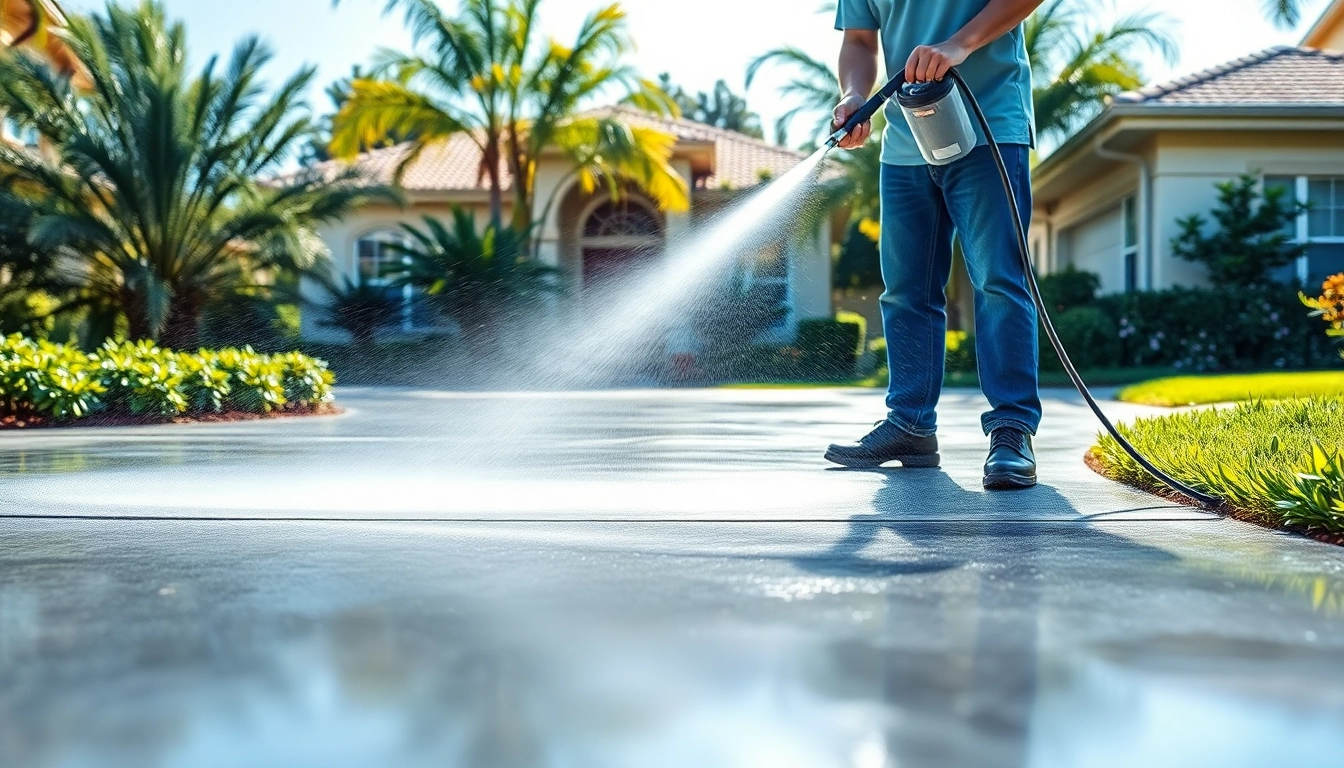
Understanding Driveway Pressure Washing
Driveway pressure washing offers an effective way to maintain the appearance and safety of your outdoor spaces. Over time, driveways accumulate dirt, mold, grease, and other debris that can not only dull their appearance but also create hazardous conditions for pedestrians and vehicles. Regularly scheduling a driveway pressure wash not only enhances curb appeal but also prolongs the life of your driveway, making it a smart investment for homeowners and property managers alike.
What is Driveway Pressure Wash?
Driveway pressure washing involves using high-pressure water spray to remove stubborn stains and accumulated debris from driveway surfaces. This technique is particularly beneficial for concrete, asphalt, and paver driveways, as it effectively lifts ingrained dirt, oil, mold, and algae. The process requires specialized equipment that can generate sufficient pressure to eliminate these contaminants without damaging the underlying material.
Benefits of Regular Driveway Pressure Washing
- Enhanced Curb Appeal: A clean driveway instantly improves the look of your property.
- Safety: Removing slippery mold and algae reduces the risk of slips and falls.
- Longevity: Regular cleaning extends the life of driveway materials, preventing the need for costly repairs or replacements.
- Environmental Control: Pressure washing eliminates pollutants and organic growth that can harm the environment.
Common Types of Driveway Materials
Driveways can be made from a variety of materials, each requiring specific cleaning techniques:
- Concrete: Durable and popular, concrete driveways are susceptible to stains and need regular pressure washing to keep them looking new.
- Asphalt: Though less durable than concrete, asphalt driveways require gentle cleaning to avoid damage.
- Pavers: These stone or brick pavers can be sensitive to high pressure; soft washing techniques are often recommended.
Choosing the Right Equipment
To achieve optimal results during a driveway pressure wash, selecting the right equipment is crucial. This includes understanding the type of pressure washer to use, as well as the necessary attachments for various surfaces.
Essential Tools for Driveway Pressure Washing
Here are some essential tools for effectively pressure washing your driveway:
- High-Pressure Washer: Choose one with a minimum of 2,500 PSI for effective cleaning.
- Surface Cleaner Attachment: This tool ensures even cleaning without streaks.
- Safety Gear: Always wear gloves, goggles, and appropriate footwear to protect yourself from flying debris and chemicals.
Recommended Pressure Settings and Techniques
Using the correct pressure settings is vital to avoid damaging your driveway. Concrete surfaces can typically handle higher pressure (2,500-3,000 PSI), while softer materials, like asphalt, should be cleaned at lower pressures (around 1,500-2,000 PSI). Always test a small area first!
DIY vs. Professional Driveway Pressure Wash Services
While some homeowners may choose to tackle driveway washing themselves, hiring professionals often results in better, quicker outcomes. Professionals use advanced equipment and techniques, ensuring a thorough clean that extends the life of your driveway without the hazards associated with DIY methods.
Preparation Steps Before Cleaning
Before beginning the pressure washing process, proper preparation is essential to ensure an efficient and safe cleaning experience.
How to Prepare Your Driveway for Pressure Washing
- Clear the area: Move vehicles and any outdoor furniture out of the way.
- Inspect for damage: Check for cracks and repairs that may need attention.
- Remove debris: Sweep or blow away loose dirt, leaves, and other loose debris.
Safety Precautions and Protective Gear
Safety should always be a priority. Be sure to wear protective eyewear, gloves, and closed-toe shoes to protect against debris. When using chemicals for pre-treatment, ensure proper ventilation and follow the manufacturer’s instructions closely.
Environmental Considerations During Cleaning
Consider using eco-friendly detergents to minimize environmental impact. Additionally, employ water reclamation methods to prevent wastewater runoff, especially in commercial applications.
Step-by-Step Driveway Pressure Washing Process
The following steps outline a comprehensive driveway pressure washing process to ensure optimal results.
Preparing the Equipment and Detergents
- Gather all necessary equipment and ensure your pressure washer is in good working condition.
- Mix and apply appropriate detergents to any stains or heavily soiled areas before washing.
- Set your pressure washer to the recommended pressure for your driveway type.
Executing the Pressure Washing Technique
Start from the highest point of your driveway and work your way down. Hold the nozzle at a consistent distance (typically 8-12 inches) from the surface, using sweeping motions to avoid streaks.
Post-Cleaning Care for Your Driveway
After washing, allow the driveway to dry completely. Consider applying a sealant to protect the surface from future stains and extend its lifespan. Regular maintenance, including resealing, can greatly enhance the durability of your driveway.
Cost and Maintenance Considerations
Understanding the financial aspects of driveway pressure washing can help you plan and manage your property effectively.
Average Costs of Driveway Pressure Wash Services
Depending on region and service provider, driveway pressure washing typically ranges from $130 to $220 for an average-sized driveway. Factors influencing cost include size, level of dirt, and any additional treatments required.
How Often Should You Get Your Driveway Pressure Washed?
Most experts recommend pressure washing your driveway at least once a year, or more frequently if you live in a particularly dirty area or have a high-traffic environment.
Maintaining a Clean Driveway Year-Round
To keep your driveway looking its best at all times, consider these maintenance tips:
- Regular Sweeping: Remove leaves, dirt, and debris to prevent stains.
- Promptly Address Stains: Treat oil spills or other stains as soon as they occur.
- Evaluate Drainage: Ensure proper drainage to prevent rainwater pooling and algae growth.


